Chapter 1
Ears First
Talk to them. They can hear you before they can do anything else.
— Dr. Yara Lindqvist, Weave Log, Grow-Hall Two
Two knocks is a person. Three is something else.
Every pebble in New Haven learns that before they can spell. If someone knocks, you knock back twice and
wait, because anyone living knocks twice back. The other kind knocks three times, soft and patient, in the voice of someone you buried. It never knocks back. It only wants you to open the door.
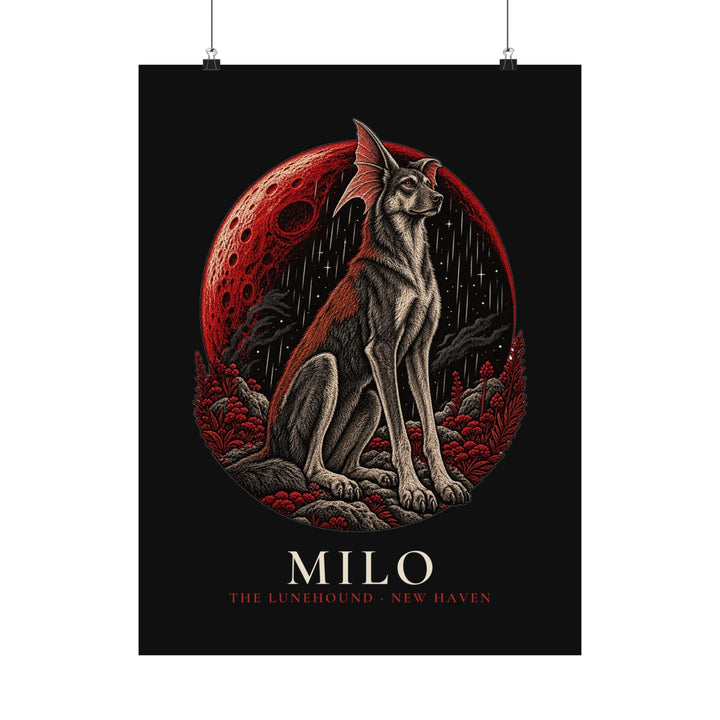
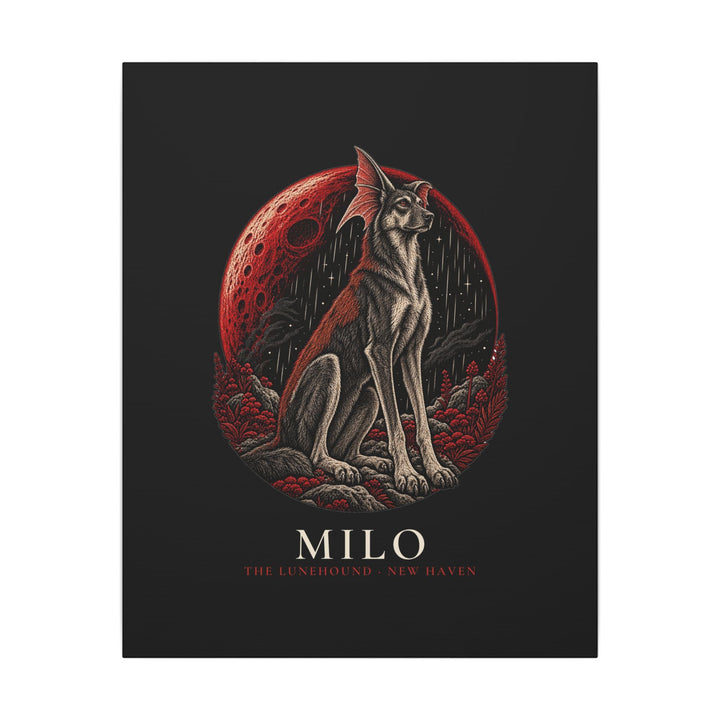
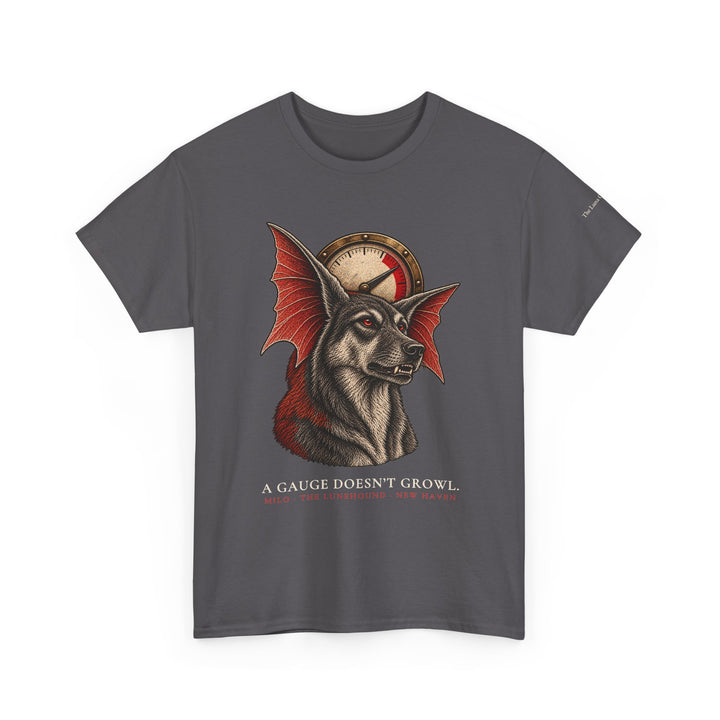
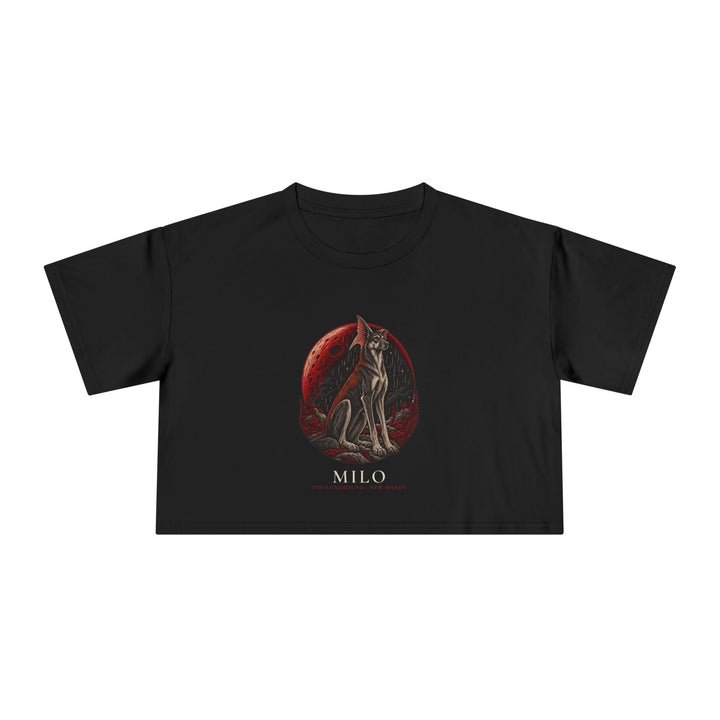
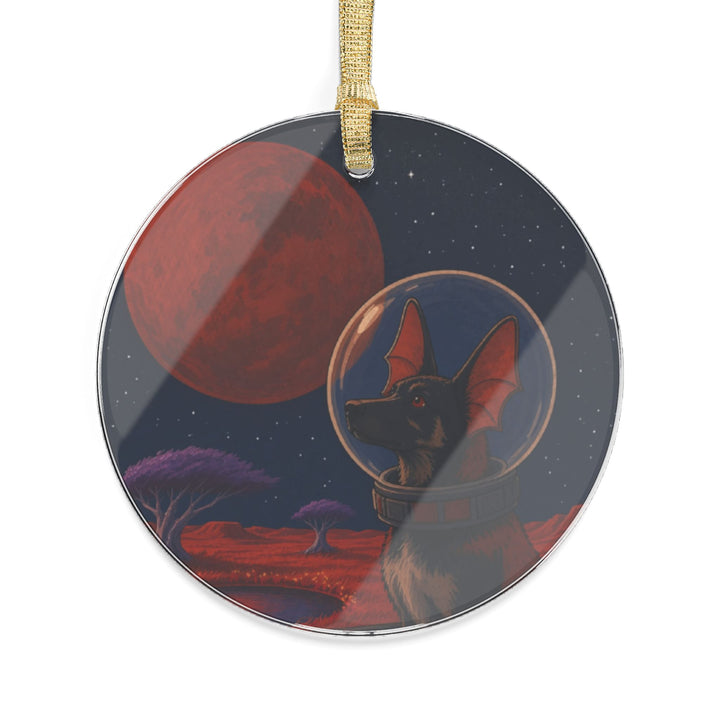
I’m a lunehound. I can’t read. I can’t work a lock. I can’t tell you what the Black Rain is, or where it goes when it stops, or why it always smells like somebody’s birthday.
But I
can hear a heart through a pressure door. I can tell you, in one beat, whether the thing saying your name is alive.
I have lain across a doorway while a voice I loved asked me to let it in.
I didn’t.
This is how I learned the difference. It cost more than I can tell you, and I would pay it again.
···
The first thing I ever had was ears.
Before I saw anything, before I smelled anything, my world was made of sound. My legs were still soft buds folded under me in the warm amber. But the hum, the drip, the distant heartbeats—that was how I knew I was alive. That was how she made us. Ears first. Everything else could come later. Everything else did.
So that’s how I’ll tell it. Not in pictures. In heartbeats.
The hum came
first. The tank I floated in sang one low note all day and all night, a note so steady I didn’t know it was a sound until the night it stopped for a power test and the whole world went wrong. Under the hum, the slow drip of feed lines. Under that, my own heart, quick as a moth. Through the glass, muffled and gold, the heartbeats of the five others in
the row: my littermates, each in its own tank, each beating its own small rhythm in the dark. The closest one beat a little faster than mine and a little lighter, like someone always about to laugh. That was my sister. Later, the people would call her Wren. Back then, I only knew her as the heart beside mine.
And there was the woman.
Her heart was slow and wide, a heart
that had walked a long way. She came every night when the grow-hall lights dimmed to their blue setting. I heard her boots on the grating, the scrape of a stool, a cup set down. I heard her breathe out. Then she would put her palm flat on my glass, and her voice would come through the amber like warmth through a blanket.
“Good evening, Ninth Weave,” she said. “Let me tell
you where you came from.”
Her name was Yara. I know that now. I didn’t need to know it then. I knew her heartbeat, and that was a better name than any word.
···
She told us the same stories so many times that I can still tell them to you in her voice. I think she did it on purpose. I think she knew the stories would stay in us the
way the hum stayed in us, underneath everything, holding us steady.
“There was a place called Tromsø,” she said. “Far north on a world called Earth. In winter the sun didn’t come up at all, and the sky turned green and moved like water. My grandmother kept dogs there. Huskies. Eight of them.”
She said huskies the way some people say home.
“They pulled her sled across the snow. They could run
a hundred miles in a day and eat almost nothing, and at the end of it they’d lie down in a pile and sing. They didn’t bark much. They talked. They kept their barks for things that mattered, and so when one barked, everyone listened.”
I didn’t know what snow was. I didn’t know what a sled was. I knew her voice changed when she talked about them, slowed and softened, and
that her heart did a small, hurt thing in the middle of the word grandmother.